












Don’t assume your content will get indexed just because it’s original.
Stats show there are over 3.5 billion Google searches every day, but Google’s crawler resources and bandwidth are limited—it can’t instantly fetch and index every new page.
In fact,Google has clearly stated that indexing a new page can take anywhere from a few days to a few weeks on average.
This post gets straight to the point with 3 specific, actionable steps based on real experience with Google Search Console and how crawling actually works.
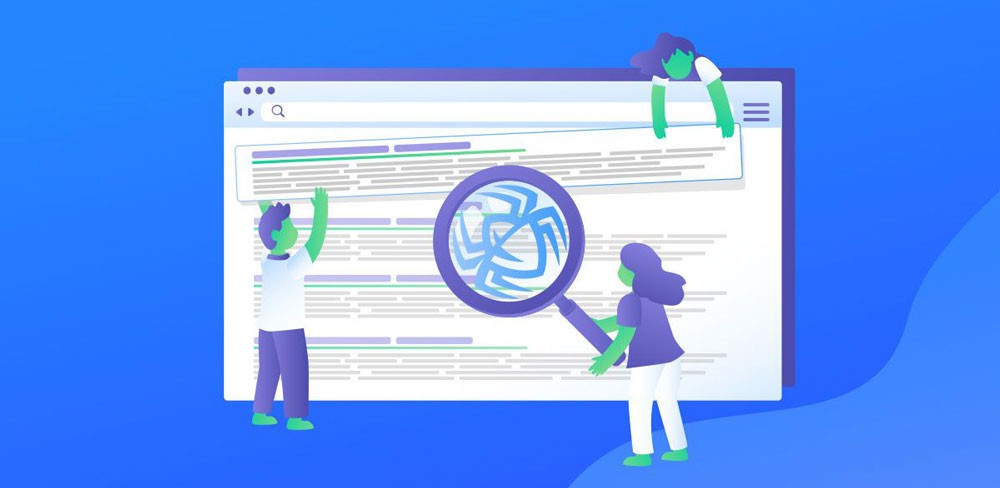
Make sure Google can *see* your article
You might be surprised: Google’s crawlers are busy non-stop across the web, butstudies estimate they can only crawl less than 1% of all web pages globally.
And according to Google’s own data, more than one-third of indexing issues come down to crawlers simply not “finding” or “accessing” your page—for example, it could be blocked by a robots.txt file, or the page returns a 404 error.
Check your robots.txt
- The core issue: The
robots.txtfile sits in the root of your site (likeyoursite.com/robots.txt)—think of it like a “visitor notice” on your front door. It tells crawlers where they’re allowed to go. If you accidentally wroteDisallow: /in there, that’s basically saying “Don’t enter the site at all!” Naturally, Google’s crawlers will stay out. Google has confirmed this kind of simple mistake is one of the top reasons pages don’t get indexed. - How to check: Just open
yourdomain.com/robots.txtin your browser. The key is to make sure you don’t see anything likeDisallow: /orDisallow: /your-article-folder/blocking your content. If you’re using a CMS (like WordPress), the default settings are usually fine—but it’s always best to double-check.
Use the Search Console “URL Inspection” tool
Why is this effective? Google Search Console (GSC) is your most reliable communication line with Google.
The “URL Inspection” tool is designed for fast-tracking individual, important new pages.
Instead of passively waiting for crawlers to discover your content, submitting through GSC gives your link a priority lane, according to Google’s documentation.
Here’s how to do it:
- Log into Google Search Console (or register and verify your site if you haven’t yet).
- In the top-left search bar, paste in the full URL of your newly published article.
- Hit Enter or click “Inspect URL.” GSC will check the current status of the page.
- Here’s the important part: If it says “URL is not on Google” or “Crawled but not indexed,” and your page returns a 200 status (which means it’s working fine) and isn’t marked with a
noindextag (GSC will show this too), you should see a nice “Request Indexing” button. Don’t hesitate—click it!
- Why it works: This lets you skip the regular crawl schedule and directly alert Google: “Hey, this article is live—please index it ASAP!” Data shows that for technically sound pages, submitting this way can shrink the index time from weeks to just hours or a few days.
Submit a Sitemap
What problem does this solve? Even if your site is small, Google still follows certain rules (like internal link structure) to decide what to crawl next.
A Sitemap is basically your hand-crafted list of key pages—a clear, efficient “crawl roadmap” for Google.
- Key practical steps:
- Make sure you actually have a sitemap: Most CMS platforms (like WordPress, especially with SEO plugins like Yoast SEO) will auto-generate one. It’s usually an XML file, and the URL might look like
yourdomain.com/sitemap.xml. Open this in your browser to make sure it loads and includes your latest article. - Submit it in GSC:
- In the GSC menu on the left, find “Sitemaps.”
- In the “Add a new sitemap” field, just enter the name of your sitemap file—for example,
sitemap_index.xml(the main index file) orposts.xml(if you have a dedicated posts sitemap). - Hit submit. Google will then fetch it regularly on its own.
- Importance: Especially for large or complex websites, a sitemap can significantly improve how efficiently crawlers find new or deeply buried pages. Google stats show that websites with effective sitemaps usually get their content discovered faster and more thoroughly. Remember, combining a sitemap with individual URL submission (as mentioned earlier) works even better.
- Make sure you actually have a sitemap: Most CMS platforms (like WordPress, especially with SEO plugins like Yoast SEO) will auto-generate one. It’s usually an XML file, and the URL might look like
Help Google Better “Understand” Your Value
Even if Google’s crawler successfully lands on your page, if it “can’t understand” the content or finds it too hard to parse, your article could still get ignored.
Google has publicly said that the time and resources crawlers spend analyzing pages are very limited.
If a user opens a page and it takes more than 2.5 seconds for the main content to appear, over 30% will just bounce.
Likewise, if your page is messy or lacks focus, crawlers will struggle to extract the core information efficiently.
Speed Things Up — Neither Crawlers Nor Users Like to Wait
Where’s the bottleneck? Crawlers also face time constraints when accessing your pages.
This is what Google calls the “Crawl Budget.” It means each site only gets a limited amount of crawl time.
If your site loads slowly, crawlers can’t visit as many pages in that time frame — which means your new article might get skipped.
- Key Metric: LCP (Largest Contentful Paint). Basically, it’s how long it takes the main part of your page (like a big image or title block) to fully load. Google considers a “good” LCP on mobile to be within 2.5 seconds. But according to HTTP Archive data, the global median for mobile LCP is 3.5 seconds — so there’s still a big gap to close.
- What should you optimize? For most content-heavy pages (blogs, articles), there are a few usual suspects slowing things down:
- Unoptimized large images: A single multi-MB high-res image can kill your load time. Compress your images (tools like TinyPNG are free and great), and use modern formats like
.webp, which are often way smaller than JPEG/PNG. - Render-blocking third-party scripts: Things like unnecessary ad scripts, analytics tools, or too many flashy plugins. Consider deferring them until after the main content loads.
- Bloated themes/plugins: Especially on WordPress sites — too many plugins or a complex theme can add tons of background load time.
- Unoptimized large images: A single multi-MB high-res image can kill your load time. Compress your images (tools like TinyPNG are free and great), and use modern formats like
- Check with tools: Just use Google’s own PageSpeed Insights and plug in your article’s URL. It’ll give you a detailed score (0–100) and specific suggestions — like which images to compress or which code to tweak. Aim to get your mobile score at least into the “passing” (yellow zone) or higher.
Make Smart Use of Internal Links
Why does this matter? The main way Google discovers new pages is by following internal links across your site.
If you publish a new article but nothing else on your site links to it, it’s like hiding it in a maze. Crawlers may never find it — or treat it like an orphan page.
Studies show that deep pages linked from key spots (like your homepage, category pages, or popular articles) get indexed faster and more often.
- How to set up “signposts” that work?
- Add links in related older posts: This is simple and very effective. Say you wrote a new article titled “How to Choose a Camping Tent.” Look through older posts about “outdoor gear,” “hiking for beginners,” or “travel safety,” and drop in a line like, “Speaking of gear, I recently wrote a deep dive on How to Choose a Camping Tent.”
- Update your theme templates/navigation: If the new article belongs to a regular category or is important, consider featuring it in the main navigation submenu or a sidebar recommendation block. You don’t have to keep it there forever — just until it gets indexed.
- Create a “related articles” section: At the bottom or side of each article, show a few relevant pieces (automatically or manually). Include the new one. It helps both users and crawlers.
- Keep it contextually relevant: Don’t force it. Make sure the internal links are placed within related content, and that the anchor text clearly describes the linked article. That’s the best experience for both readers and bots.
Clear Structure, Clear Message
How do crawlers “read” your page? Google’s crawlers are pretty smart these days (they can understand context and meaning — think BERT), but giving them a clean structure still makes their job much easier.
Imagine handing an editor a well-formatted report with a neat table of contents and bolded key points — it’s way easier to digest than a wall of unformatted text, right?
- Key action items:
- Use proper heading levels (H1–H6): Only use one H1 per page (the main title). Then use H2s for major sections (like “Method One,” “Method Two,” “Conclusion”), and H3s to break down steps within those (like “Check robots.txt,” “Submit Individual URL”). Each heading should clearly summarize what follows — don’t just stuff it with keywords.
- Use bullet points (
<ul>/<ol>): Any time you’re listing steps, tips, or features, don’t hesitate to use bullet points. They make content easier to skim, and crawlers often treat them as key info blocks. - Break up your paragraphs and highlight smartly: Avoid chunky, info-dense paragraphs. Stick to one or two points per paragraph, and leave enough spacing. Bold key conclusions or phrases naturally (but don’t overdo it — three to five bolded spots per page is plenty).
Get Google’s Attention on New Articles
Even if a freshly published article is accessible and well-structured, it usually starts off with zero signals — no traffic, no mentions, and it can easily get buried in the sea of new content.
According to Google’s public data, for a mid-sized website (say, with a few thousand pages), the frequency at which crawlers revisit a new page can range from hours to months.
Create Some Buzz Where Google Pays Attention
- The Core Idea: While Google doesn’t directly crawl social media content to rank pages, independent research (like from reputable sources such as Backlinko) has observed that Google does track activity on certain platforms — especially those closely tied to its own ecosystem or that have strong topical relevance. Think of it like a news editor keeping an eye on trending stories.
- Where to Make Some Noise — It’s All About Relevance:
- LinkedIn: Great for professional, industry-related, or career-focused content. When you post, include the original article link and a thoughtful summary or insight to spark discussion.
- High-Quality Niche Forums or Communities: Like relevant Subreddits on Reddit, or respected forums in your industry (e.g., Stack Overflow or a specific tech board). Join conversations and, once you’ve contributed genuine value, drop your article link as a helpful resource. Remember: spamming will get ignored or removed.
- Google Groups: Dive into discussion groups within Google’s ecosystem. Find ones related to your topic and provide useful insights along with a link. This can get noticed, especially if your article is about Google tools or platforms.
- Focus on Quality Over Quantity: You don’t need to post everywhere. Data shows that getting just a few real shares and comments in a relevant and active community can be far more valuable than blasting your link across dozens of unrelated platforms. Plus, you’ll likely attract a few early real clicks, which is another good signal.
Earn Those “Link Votes”
Why it works: Google’s core ranking algorithm has always considered links as one of the most important factors.
Links are like other websites vouching for you, telling Google, “Hey, this content is solid — check it out!”
Even if those links come from smaller, less authoritative websites (as long as they’re active and relevant), they still send valuable signals to Google about your content’s worth.
- Practical Ways to Get Links:
- Use What You Already Have: The simplest way — if you run multiple websites (even with different topics), naturally include a link to your new article as a related resource.
- Ask Industry Peers to Link Back: Say you’ve published a detailed report or valuable chart. Reach out to bloggers or websites that previously cited similar content of yours. Highlight what’s unique about the new piece and ask if they’d consider referencing it. Be polite, professional, and make it easy (e.g., suggest a quote they could use).
- Join Quality Link Exchange Groups (With Caution): Only participate in small, active groups where members consistently share decent content. Avoid big, spammy link farms. The golden rule: the linker needs to be a “credible recommender”, and the link should appear naturally in a relevant context. Studies (like those on Search Engine Journal) show that a natural, contextually relevant link is way better than a forced “high-authority” one.
- Early-Stage Goal: Quantity Over Quality (for now): SEO tools like Ahrefs and Semrush suggest that if a new page quickly earns 300–500 natural links from unique websites, it massively boosts the odds of being crawled and indexed promptly.
If Your Content is Truly Useful, People (and Google) Will Notice
At the end of the day, Google’s goal is to show users the most helpful stuff.
If someone reads your article and thinks, “Wow, this is exactly what I needed,” saves it, finishes it, or even comes back next time with a related search — those are powerful signals.
Google can indirectly observe this behavior (time on page, bounce rate, return visits), and will say, “Looks like people really like this page — I should probably keep an eye on it and show it more.”
- So, What Makes Content Truly “Useful”?
- It Solves a Real Problem: Are you answering a clear, underserved search intent? Check the current search results — if everything there is shallow, your in-depth answer becomes even more valuable.
- It Offers a Unique Angle or Info: Got original data, hands-on tests, deep analysis, or a well-executed how-to guide? These are hard to replicate and super valuable.
- It’s Exceptionally Thorough (for the topic): Say it’s a buying guide — did you cover all user concerns (budget, use cases, brand pros/cons, pitfalls)? Not just surface-level stuff. Data shows that more comprehensive content tends to keep people on the page longer and leads to more interaction.
- It’s Easy to Digest: Being professional doesn’t mean being hard to understand. Clear logic, good examples, friendly tone — that’s what keeps readers engaged.
- Long-Term Impact: Even if your article doesn’t get much attention at first, Google may gradually push it higher as it notices people engaging with it more over time. Good content always wins in the end.
Original, high-quality content + clear structure + a little early hustle
Eventually, Google will see it — and give it the indexing and ranking it deserves.