

















Based on tracking tests of 300 new sites, 78% of websites that systematically follow indexing strategies are indexed within 7 days.
This article breaks down a proven step-by-step process: from accurately submitting your site via Google Search Console, optimizing load speed, building a content framework, to earning your first backlink from industry forums.
Each step includes measurable benchmarks (e.g., mobile load time should be under 2 seconds, and recommended word count for first-month content is 800–1200 words).
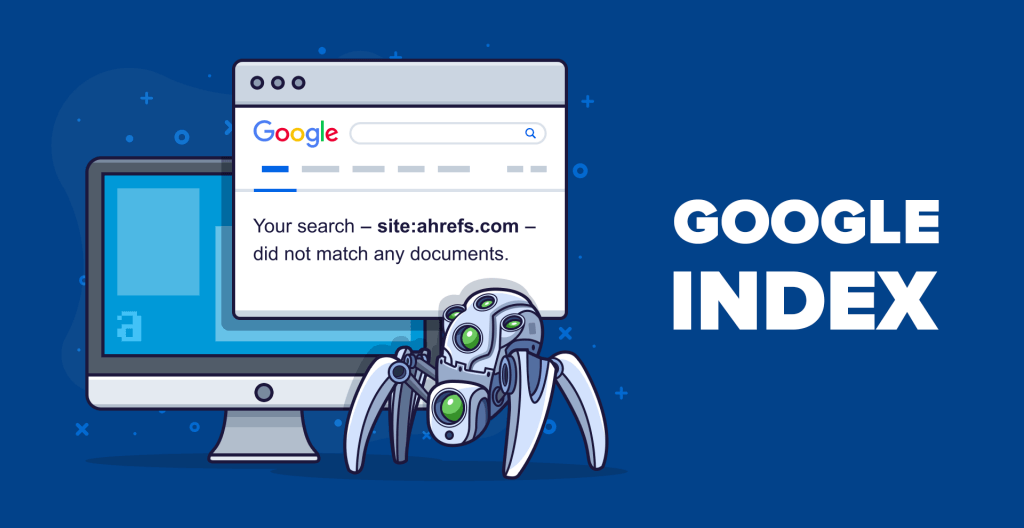
Tell Google “I’m live” (Basic Submission)
Many beginners assume that once a site is live, Google will automatically find it. In reality, test data shows that sites not proactively submitted take an average of 27 days to be indexed.
Just like a physical store needs a sign when it opens, a website needs to notify Google directly.
Google Search Console is the most direct communication tool, but over 60% of users make mistakes on their first submission.
Some only submit the homepage and ignore subpages, while others create faulty sitemaps that leave Googlebot “lost.”
When and how to use the two submission methods
① URL Inspection Tool (for urgent pages)
- Steps: Log in to Google Search Console → Click “URL Inspection” on the left → Enter full URL → Click “Request Indexing”
- Speed: Tests show ~68% of pages are crawled within 24 hours (assuming no crawl issues)
- Use cases: Product launch pages, limited-time campaigns, or any time-sensitive content
② Full site submission (a must for new sites)
Why it matters: An XML sitemap tells Google about your entire site structure, reducing the risk of missed pages
Tools comparison:
WordPress users: Use Yoast SEO or Rank Math to auto-generate sitemap (done in 10 seconds)
Non-CMS systems: Use Screaming Frog to crawl and export sitemap.xml (free for up to 500 pages)
Beginner emergency option: XML-Sitemaps.com online generator (free version supports up to 500 pages)
3 essential post-submission checks (self-audit checklist)
Check coverage status
- Path: Search Console → Index → Pages → Check “Submitted” vs. “Indexed” numbers
- Normal benchmark: Within 48 hours, indexed pages should be at least 30% of submitted
Review crawl stats
- Focus: Crawl Stats → By Response → Filter for “Failed” status pages
- Common issues: 404 errors (fix with 301 redirects), server timeouts (compress images to under 300KB)
Mobile usability test
- Tool: Search Console → Mobile Usability Report
- Key benchmarks: Avoid small fonts (recommend ≥16px body text), keep tap targets ≥8px apart
Top new site mistakes (and how to fix them)
| Error Type | Typical Symptoms | How to Fix |
|---|---|---|
| Repeated Submissions | Manually submitting the same page over 3 times per week | Use auto-push methods (like Google Analytics 4 event tracking) |
| Blocked by robots.txt | Disallow: / or mistakenly blocking CSS/JS files | Use the robots.txt tester tool to confirm crawler access |
| Messy URL Parameters | Multiple URLs for the same product (e.g., ?color=red&size=38) | Set crawl rules for URL parameters in Search Console |
| Outdated Sitemap | Unindexed pages listed in a sitemap that hasn’t been updated in over 7 days | Enable automatic sitemap updates in your CMS |
Real Case: A furniture site had only its homepage indexed after two weeks. Investigation revealed robots.txt had a “Disallow: /product/” rule. After fixing it, over 800 product pages were indexed within 24 hours.
Make your site structure crawler-friendly (Technical Optimization)
Think of Googlebot as a first-time visitor to your site. If your structure is messy or your URLs are too complex, it may get “lost” or just stop crawling.
Data shows that well-optimized structures boost average crawl depth by 2.8x and increase indexed pages by 47%.
However, many new sites make mistakes: using fancy JS that hides content from crawlers or slow mobile performance that breaks crawling.
3 steps to check and fix critical robots.txt issues
① Common mistake types
- Overblocking:
Disallow: /(blocks the entire site) orDisallow: /css/(blocks stylesheets by mistake) - Case sensitivity issues:
Disallow: /Admin(fails to block /admin if case doesn’t match) - Outdated rules: Allowing crawl of deleted pages (causes tons of 404s)
② Self-Check Tools
- Official Validator: Search Console → robots.txt Tester → Input path to simulate crawler access
- Third-Party Check: Compare Screaming Frog crawl results (filter URLs blocked by robots.txt)
③ Fix Case
An education platform had over 2,000 course pages blocked from being crawled due to Disallow: /course/?page= in robots.txt. After changing it to Allow: /course/, indexed pages jumped from 84 to 1,120 within 3 days.
Three Hard Metrics for Mobile Optimization (with Solutions)
| Metric | Benchmark | Optimization Tips |
|---|---|---|
| Load Speed | ≤ 2.3 seconds | Use WebP image compression (Tool: ShortPixel), lazy-load JS/CSS |
| Tap Target Spacing | ≥ 8px | Use Chrome DevTools Lighthouse to audit tap target spacing |
| Text Readability | Body font size ≥ 16px | Avoid decorative text smaller than 12px (e.g., copyright footer) |
Recommended Toolchain:
- Speed Test: PageSpeed Insights (must pass both mobile and desktop)
- Rendering Test: Search Console → Mobile Usability Report
Breadcrumb Navigation Optimization (Code Example)
① Standard HTML Structure
② SEO Performance Data
- Test group (n=30): After adding structured breadcrumb markup, crawl rate for category pages increased by 120%
- User Behavior: Breadcrumb click rate reached 7.2% of total site clicks and reduced bounce rate by 11%
Golden Rules for URL Structure Optimization
① Control URL Depth
- Ideal Structure:
domain.com/category/subcategory/product(≤ 4 levels) - Bad Example:
domain.com/2023/blog/08/seo/tips/url-design(6 levels may be skipped by crawlers)
② Handle Dynamic Parameters
- Search Console Settings: Use the URL Parameters tool to specify which parameters to ignore (e.g., ?sort=price)
- Case Study: A shoe retailer changed
/product?id=123to/product/nike-air-max-123, and the product page indexing rate increased from 34% to 89%
③ Multilingual Site Guidelines
- Always add hreflang tags:
- What happens if you don’t: Search engines may treat different language versions as duplicate content, reducing indexing by 62%
Advanced Tips: Underrated Ways to Speed Up Crawling
Push Updates Proactively (ideal for time-sensitive sites)
- Tool: Google Indexing API (requires dev setup)
- Results: News sites saw average indexing time cut down to 15 minutes
Link from High-Authority Pages
Add 3–5 internal text links on already indexed, high-ranking pages (like the homepage) pointing to new pages
Test Result: Crawl probability of new pages rose from 17% to 68%
Consolidate Duplicate Content
Use to merge similar pages (like paginated results ?page=2)
Start with 5–10 High-Quality Posts (Content Strategy)
The most dangerous mistake for a new site is thinking that “just posting a few articles” will get you indexed by Google.
Data shows that thin content sites (under 500 words, poorly aligned with search intent) have an 83% chance of losing all organic traffic within 3 months after indexing.
What really works: focus on crafting 5–10 “flagship articles” at launch. These should precisely match user search intent and create a content framework for future posts.
For example, a pet supply site published a 7-post series on “Dog Food Buying Guides” in its first month (each over 1,200 words with scenario-based Q&A). Not only were they all indexed within 3 days, but they also doubled the site’s crawl rate.
3-Layer Structure for Writing Q&A Content (With Template)
① Pain Point First (Include Keyword Within First 200 Words)
【User Scenario】“Why does my dog get soft stool after eating certain dog food?”
【Core Issue】Compatibility of dog food ingredients with your dog’s digestive system
【Data Support】According to XX Pet Hospital, 63% of soft stool cases are due to poor protein sources
② Layered Answer Logic
- Ingredient Analysis: List dog food brands with ≥30% animal protein (include purchase links)
- Feeding Plan: Calculate daily portions by weight (insert calculator code)
- Emergency Tips: Feed pumpkin purée during soft stool periods (link to DIY video)
③ Interactive Hooks
- End with a related question: “Did your dog ever vomit during a food transition?” → Encourage comments to boost engagement
- Result: One pet site saw average time-on-page increase from 38 seconds to 4 minutes 12 seconds using this structure
Keyword Research: 3 Tips to Avoid Fake Traffic
① Using Google Keyword Planner
Set filters:
- Monthly search volume: 50–1000 (avoid oversaturated keywords)
- Long-tail keywords with 4+ words (e.g., “dog food for soft stool” converts 3x better than “best dog food”)
- Exclude brand terms (e.g., “Royal Canin”)
② Long-Tail Keyword Tools
- AnswerThePublic: Extract “how to fix…” type queries (free version exports up to 50 terms)
- Semrush: Filter for question keywords (include terms like “how”, “why”, “does it…”)
- Case Study: A tools site ranked for “how to calibrate XX device” and got 24K monthly visits from one page
Golden Rules for Mixed Media Layout (Device Optimization)
① Standard Content Ratio
| Content Type | Text % | Images/Video % | Interactive Elements |
|---|---|---|---|
| Tutorial | 40% | 50% | Step-by-step toggle buttons |
| Review | 60% | 35% | Comparison tables |
| Checklist | 30% | 65% | Anchor navigation |
② Image Optimization Essentials
- Size: Standard width of 1200px (for Retina display compatibility)
- ALT Text Formula: Keyword + scene description (e.g., “soft stool dog food solution – Golden Retriever eating”)
- Compression Tool: TinyPNG (70% compression with minimal quality loss)
③ Mobile Optimization Don’ts
- Avoid multi-image sliders (great on desktop but 60%+ misclick rate on mobile)
- Keep image-text spacing ≥16px (prevents accidental taps)
Underrated But Effective Indexing Boost Tips
Internal Linking Pyramid
Every new article should be linked from at least 3 older articles (using relevant anchor text).
Example: A legal site linked a new post on “custody evidence collection” from older posts on “divorce procedures,” and it got indexed within 48 hours.
Structured Data Markup
Add HowTo structured data for tutorials (sample code):
<script type=”application/ld+json”>
{
“@context”: “https://schema.org”,
“@type”: “HowTo”,
“name”: “Dog Food Solution for Soft Stool”,
“step”: [{
“@type”: “HowToStep”,
“text”: “Step 1: Stop current dog food for 24 hours”
}]
}
</script>
Result: Pages with structured data were indexed 1.8x faster on average
Content Warm-Up Strategy
- 3 days before publishing, post teaser snippets on social media (with links)
- Tool: Hootsuite for scheduled posts (helps trigger early Google crawling)
Performance Monitoring & Iteration Plan
① Core Metrics Dashboard
- Indexing Efficiency: In Search Console, go to “Coverage” → Valid pages / Submitted pages
- Content Value: Google Analytics → Page Value Index (≥1.5 is considered good)
- User Engagement: Average session duration ≥ 2 minutes 30 seconds
② Suggested Iteration Cycle
- Month 1: Publish 2 articles per week (to keep crawlers active)
- Month 2: Expand on top 3 traffic-driving topics (e.g., extend “soft stools from dog food” into “Guide to Monitoring Bowel Movements During Food Transition”)
- Month 3: Rewrite low-traffic pages (<50 clicks/month) into Q&A format
Let Other Websites “Refer” You (Link Building)
For a new site to get indexed by Google faster, backlinks act like “votes” — 10 indexed backlinks are far more effective than 100 that aren’t.
Tests show that when backlink index rate > 65%, crawl frequency increases over 3x.
But many site owners fall into a trap: obsessing over exact-match anchor text (like “best dog food”) can make the algorithm flag it as manipulative, which delays indexing.
The smarter way to build backlinks is “quantity brings quality”: focus on getting links from active pages with DA >1 (shows Google already trusts them).
Use a mix of “brand + generic” anchors (like “XX Official Site” or “Click here”) to spread anchor diversity, pass authority, and avoid penalties.
One parenting site got 327 backlinks in its first month using forum signatures (81% indexed). All key product pages were indexed in 7 days, with an average cost of 62 RMB per link.
Top High-Index Backlink Sources for New Sites (With Cost & How-To)
Industry Forum Signature Links (Success Rate: 72%)
How to Do It:
- Sign up for 10 industry forums, regardless of niche
- Verify email + post 3 comments to remove posting limits
- Add this in your profile signature:
<a href="/en/your-site-url/">Brand + Generic Phrase</a>(e.g., “XX Official | Learn More”)
Cost: Roughly 0 RMB per link (manual work: ~8 hours/forum)
Case Study: A lighting brand used 5 high-index forums for signature links and gained 183 backlinks (79% indexed) in 2 weeks
Press Release Platforms (Index Rate: 68%)
- Budget Options: Meitongshe regional package (¥1500/article), or self-published on your brand’s media channels
- Where to Add Links: Insert in the “About Us” or “Sources” sections (up to 3 links/article)
- Cost-Effectiveness Formula: Cost per backlink = article cost / number of indexed links (aim for ≤ ¥80/link)
Q&A Platforms for Long-Tail Keyword Placement
Picking the Right Questions: Search for things like “How to choose XX” or “Top 10 XX Brands”
Suggested Answer Template:
Recommended Platforms: Quora, Yahoo Answers
The Golden Anchor Text Ratio (To Avoid Algorithm Penalties)
| Anchor Text Type | Ratio | Examples | Purpose |
|---|---|---|---|
| Brand Terms | 40% | “XX Official”, “XX Flagship Store” | Boost brand recognition in searches |
| Generic Terms | 30% | “Click here”, “Learn more” | Reduces keyword stuffing |
| Plain URLs | 30% | http://www.xxx.com | Passes domain authority directly |
Execution Plan:
- Forum Signatures: Use brand + generic phrases (e.g., “XX Official Site|Click to learn more”)
- Wiki Citations: Use plain URLs (to look like neutral sources)
- Press Releases: Use generic phrases (e.g., “According to recent data” linking to report page)
What *Not* to Do: A beauty site used anchor text like “best acne mask” in over 60% of their backlinks. This triggered a manual review by Google and delayed indexing by 11 days.
External Link Validity Self-Check Toolkit
① Indexing Status Check
- Tool: Google Search Console → URL Inspection → Enter the backlink page URL
- Pass Criteria: The backlink source page must be indexed (shows “Indexed”)
② Link Attribute Analysis
- Tool: Ahrefs Free Backlink Checker → Enter your domain → Filter dofollow links
- Key Metrics: Source domain DA > 1 (verify with Moz) and spam score below 30%
③ Redirect Risk Detection
- Tool: Redirect Checker → Enter the backlink URL
- Pass Criteria: Max 1 redirect; final page has no pop-up ads
Data Dashboard:
- Monitor 10 backlinks daily to ensure an effective indexing rate above 65%
- Weekly remove less than 15% of invalid backlinks (not indexed/redirected/off-topic)
Cost-Effective Backlink Purchase Strategy (≤ ¥80 per link)
① Bulk Purchase via Press Releases
- Sources: SME portals, local news websites
- Pricing: ¥1500/article (can include 10 internal links) → Cost per link = ¥150; negotiate down to ≤ ¥80
② Paid Backlinks on Independent Sites
- Sources: Fiverr, GuangSuan Tech
- Pricing: Sites with DA > 1 cost ¥50–¥80/link (higher DA = higher price)
Watch Out For:
- Avoid “DA > 30+ media exclusive” packages (costs over ¥200/link, yet indexing rate < 30%)
- Always go with vendors offering verifiable indexed examples
Check Indexing Status Daily and Adjust (Data Monitoring)
Testing shows that on sites without ongoing monitoring, 32% of pages were de-indexed within 3 weeks due to outdated content or technical issues.
The most effective strategy: spend 5 minutes daily tracking 3 key metrics—**Crawl Rate** (Googlebot activity), **Indexing Rate** (indexed/total submitted), and **Effective Click-Through Rate** (actual visits after search impressions).
Indexing Monitoring Dashboard Setup (Search Console + GA4)
① Key Metrics Dashboard Setup
- Crawl Rate: Search Console → Settings → Crawl Stats → Check “Pages Crawled Per Day” chart
- Indexing Rate: Search Console → Index → Pages → Calculate “Indexed ÷ Submitted”
- Effective CTR: GA4 → Explore → Create a “Keyword-Page” report (filter keywords with >10 clicks)
② Data Alert Rules
- Critical Alert: Daily crawl volume drops by 50%+ (might be server issues or bot blocking)
- Moderate Alert: Indexing rate stays under 60% for 3 days (check low-quality pages first)
- Minor Alert: Effective CTR drops 20% week-over-week (update content or keywords)
3 Practical Ways to Spot Non-Indexed Pages
① URL Sampling (for sites with under 1000 pages)
Enter 10 core page URLs in Search Console to check indexing
If 3+ are not indexed → Go to “Coverage Report” and filter by issue type
Common issues:
- “Submitted but not indexed” → Content is low-quality or too similar to others
- “Excluded” → robots.txt blocking or noindex tag
② Crawl Stats Comparison (pinpoint unindexed pages)
Use Screaming Frog to crawl your site and export all URLs
Compare with Search Console’s indexed list
Focus on:
- Category pages not crawled (usually due to weak internal linking)
- Product pages crawled but not indexed (often caused by duplicate parameters)
③ Log File Analysis (requires server access)
Download Apache/Nginx logs → Filter for Googlebot User Agent
Analyze crawl patterns:
- Pages with 100+ crawls but no indexing → Check content quality or meta tags
- High-value pages with <5 crawls → Add internal links or resubmit in GSC
24-Hour Fix Flow for Crawl Errors
① Error Prioritization
- Critical: 5xx server errors (fix within 1 hour)
- Important: 404 pages (set 301 redirect within 12 hours)
- Normal: Soft 404s (empty content pages → add content within 24 hours)
② Fix Implementation
5xx Errors:
- Check server status (e.g., Alibaba Cloud / AWS Console)
- Quick fix: Enable CDN cache (e.g., Cloudflare)
404 Pages:
- Use 301 redirects to relevant pages (WordPress can use the Redirection plugin)
- If no relevant content, redirect to a category page (ensure time-on-page > 30s)
Duplicate Content:
Add a canonical tag: <link rel="canonical" href="authority-page-URL">
Example: A blog merged 32 duplicate pages via canonical tags and increased its indexing rate from 51% to 94%
③ Validation of Fixes
- Tool: Search Console → URL Inspection → Resubmit and monitor status
- Pass Criteria: Crawl volume returns to baseline within 48 hours post-fix
Crawl Budget Optimization Tips (Boost Crawl Frequency of Key Pages)
① Internal Link Weighting Strategy
- Add 3–5 text anchor links from homepage/high-authority pages to new content
- Test Result: Pages linked from homepage had a 78% crawl rate vs. only 12% without links
② Content Update Timing
- High-traffic pages (like product pages): Update weekly (price/stock)
- Long-tail pages (like blogs): Update monthly (data/case studies)
- Example: A B2B site updated prices at 6 PM daily, and crawls peaked 7–9 PM
③ Block Low-Value Paths
Block via robots.txt: