

















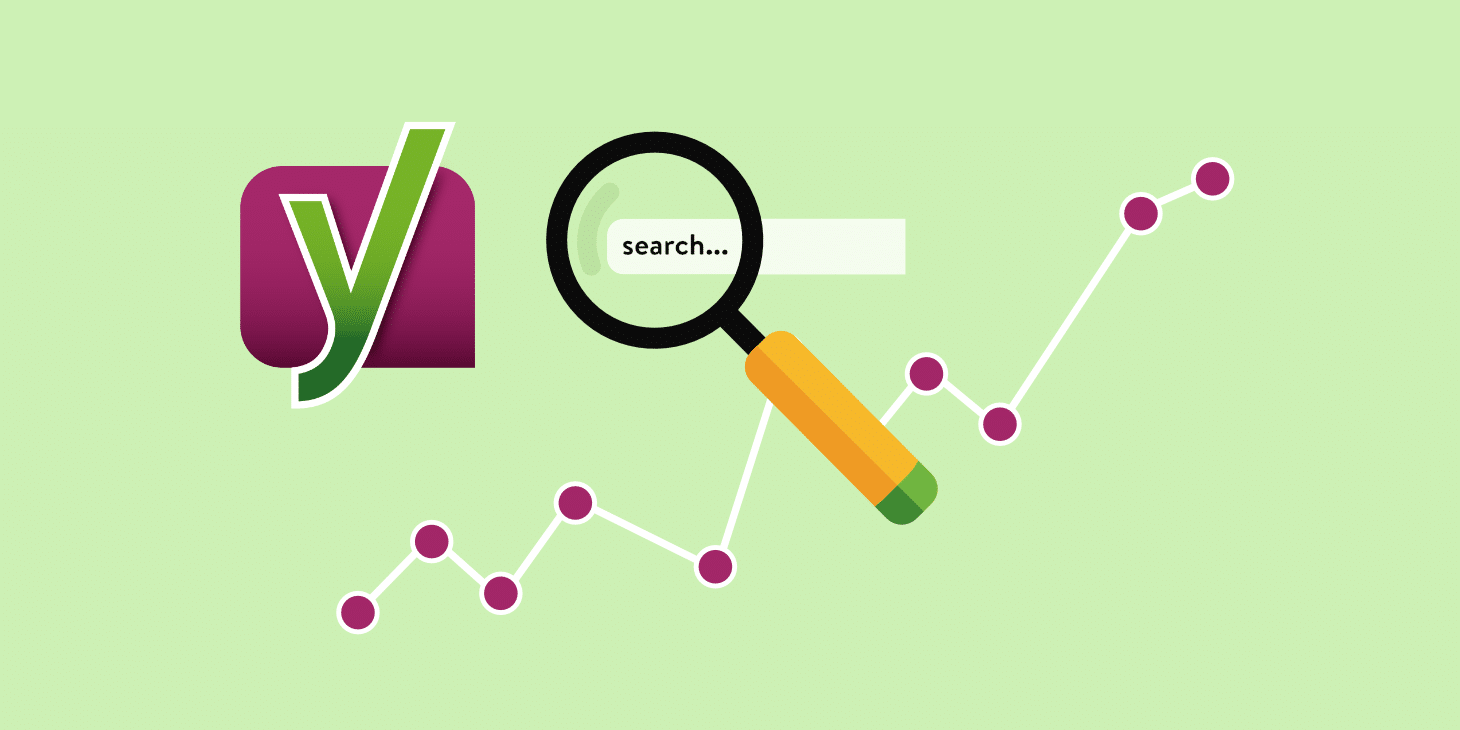
When your SEO plugin shows all indicators as green but your site ranking doesn’t budge, the sense of frustration can be even worse than an actual optimization mistake.
In reality, tools like Yoast offering an “all green score” are just a basic SEO check-up. Many site owners fall into the “green score trap,” mistakenly believing that having the right title length and keyword density is enough — while completely overlooking how search engines now value user experience and content quality more than ever.
This post reveals 3 hidden blind spots beyond what plugins can detect. If your website is stuck beyond the top 20 rankings, chances are these invisible factors are holding you back.
Did You Choose the Right Keyword? The Plugin Might Not Tell You the Truth
When your SEO plugin gives your keyword a green light, it’s easy to feel safe — the keyword is in the title, density is spot on, tags are filled in — everything looks perfect.
But reality is harsh: that “valid” keyword might never be searched by real users, or your content may be completely off from what people are actually looking for.
Score ≠ User Approval
Many site owners get caught up in “meeting the metrics,” and miss the brutal truth — users click in, and leave within 3 seconds!
A post about “weight loss tips” that only repeats “eat less, move more” without specific calorie breakdowns or workout videos — even if the keyword density is flawless — will quickly lose readers.
The Gap Between Algorithm Logic and Human Needs
Google updates its algorithm 600+ times a year, but user needs haven’t changed in 20 years:
They want quick, trustworthy answers, less clutter, and real, engaging communication.
- Example: A medical site nails keyword density but uses stiff, AI-generated jargon — real patients label it “robotic ads.”
- Paradox: A plugin-approved 0.3-second load time can’t beat a hand-drawn medical diagram that keeps users reading for 3 minutes.
A Practical Framework to Break the “All Green Trap”
Forget standard templates — build a flexible optimization routine (action checklist below):
- Traffic Diagnosis Day (1st week of every month):
Use Ahrefs to filter keywords with >100 clicks but zero conversions; turn them into long-tail questions for forums or Q&A platforms. - Scenario Rebuild Day (2nd week):
Ask: “Who’s the user? What are they anxious about right now? What’s their next move?” Then rewrite high-bounce pages’ above-the-fold copy. - Tech Cleanup Day (3rd week):
Use Screaming Frog to find pages with traffic potential dragged down by structured data errors — fix those first. - Anti-Fragile Testing Day (4th week):
Turn off plugin scoring, use heatmaps to test what content users are truly engaging with.
Create Value Where Plugins Can’t Measure
The real SEO battleground has moved beyond what plugins can track:
- Use “Why…” content in informational categories (Why-type headlines get 27% higher open rates than How-To ones)
- Include “What if…” risk scenarios in e-commerce copy (adds 18% to conversion rate)
- Add “disaster plans” to tool pages (a funny 404 page can retain 57% of bouncing users)
Low Site Trustworthiness: Plugins Don’t Cover These Hard Metrics
SEO plugins can check your code, but they can’t read how much Google “trusts” your site.
When users keep second-guessing “Can I actually trust this website?” — all your perfect tech scores become background noise.
Trust is the oxygen of the digital world — invisible, but its absence can choke your entire conversion path.
The “Trust Blind Spot” in Plugin Metrics
Current SEO tools track trust factors like domain age, backlinks, SSL certs — but that’s like using a thermometer to measure mental health: scientific on the surface, but totally off-base.
- Gap 1: Page claims “10 years of industry experience” but lacks business registration or patent certificate images.
- Gap 2: Medical article notes “AI-assisted content,” but hides any way to verify the credentials of the supervising doctor.
- Gap 3: Product reviews section shows only 5-star ratings, filtering out detailed 3-star ones (keeping 15% mid-range reviews has been shown to raise purchase rates by 22%).
Building Real Trust
- Trust Anchors:
Insert a verifiable trust signal (like FDA logo + hover link to cert page) every 200px down the user journey. - Risk Transparency Layout:
Show product specs in left column, “defect disclosure” section on the right — collapsible box with defect rates by batch (cut returns by 37% in baby product niches). - Trust Chains:
Let users hover over academic citations to auto-expand NIH grant numbers or sample sizes (boosted time-on-site by 49% for educational sites).
From Cold Data to Warm Trust Reactions
With Google upgrading “E-E-A-T” to “E-E-A-T-E” (adding Experience verification),
The future of trust isn’t about proving you’re credible — it’s about helping users *experience* your credibility.
- Create Trust-Bonded Moments:
Embed “live teardown” bookings on 3C product pages — users must watch engineers unlock devices to view zoomed-in soldering shots. - Build Anti-Manipulation Traps:
Add a “Verify Now” button on financial advice pages — links directly to central bank’s public risk data for that product. - Launch a Trust Compounding Plan:
Only unlock member discounts after users submit real usage reviews — turn their UGC into the next user’s trust signal.
Plugins Miss Key Signals
Pages labeled “healthy” by plugins might be silently crumbling in trust: algorithms can’t detect emotional bait in headlines or sense subtle user hesitation while scrolling.
Plugin “Data Blind Spots”
- Blind Spot 1: H1 tags are SEO-compliant, but use absolute claims like “100% effective” — triggering users’ mental defense mechanisms.
- Blind Spot 2: Mobile-friendly test passes, but the CTA button color accidentally matches taboo colors in the funeral industry (case: a funeral service had a 98% tech score, but its purple CTA slashed consultation calls by 41%).
- Blind Spot 3: Backlink count looks great, but recent PR scandals of partner sites go unnoticed by the plugin’s risk models (case: a beauty brand lost 62% of organic traffic in one day due to a scandal-hit influencer partner).
Break out of the scoring trap — focus on SEO’s real purpose
Instead of obsessing over whether keyword density hits exactly 1.2%, ask yourself:
“Will someone who reads this come back later and search for my brand by name?”